
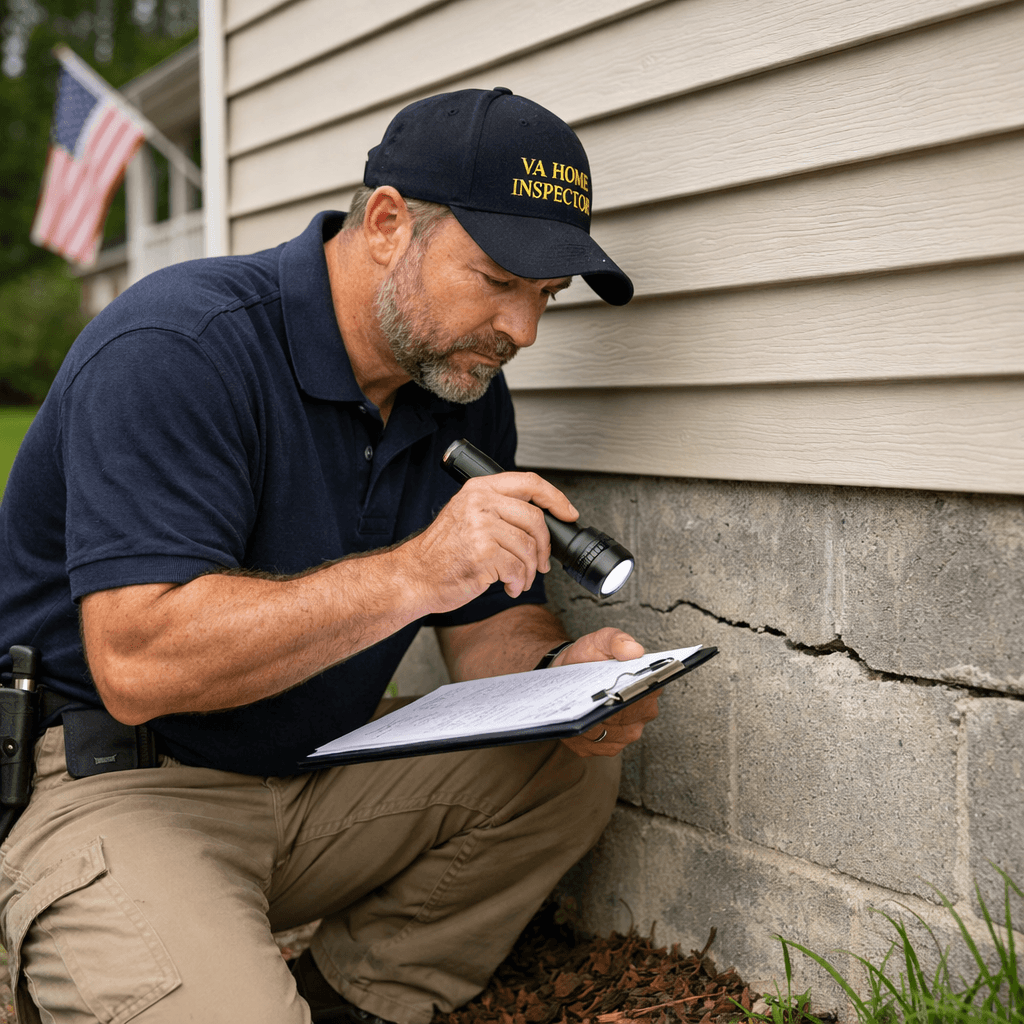
A home inspection is not required when buying a home, but in a buyer-beware state like Virginia, it is one of the most important steps in the homebuying process. For many buyers, the inspection is also the most stressful part of the transaction, largely because the report can feel unfamiliar or overwhelming at first glance. Knowing what a home inspection is, what it is not, and what options buyers have after reviewing the report can significantly reduce stress and uncertainty.
This guide explains how home inspections work, what inspectors actually evaluate, how inspection contingencies affect buyer rights, and what to do once the inspection is complete.
What is a Home Inspection?
A home inspection is a non-invasive, visual review of a home’s major systems and visible components, performed by a licensed home inspector that you hire. The inspection is simply a chance to learn about the home before you finalize the purchase. Every home, regardless of age, price, or condition, will have inspection findings, many of which are routine and expected. In fact, if the home you currently live in were inspected using the same standards, it would almost certainly have many of the same types of items noted in an inspection report.
Inspectors focus on identifying visible safety concerns, components that are not functioning as intended, and systems or materials that show signs of normal wear or aging. The inspection is limited to what can be safely accessed and observed at the time, and no parts of the home are taken apart or tested beyond basic operation.
It is also important to understand what a home inspection does not do. A home inspection is not a warranty or guarantee of the home’s condition, and it is not a prediction of how long any system will last. Inspectors do not assign repair costs, determine the home’s market value, or advise whether a buyer should proceed with the purchase.
Instead, the inspector’s role is to give buyers the information they need to make an informed decision about how to move forward, including which items may require attention now, which can be addressed over time, and which are simply part of routine homeownership.
Once buyers understand what an inspection does and does not cover, the next critical piece is how the inspection contingency in the contract affects their rights.
The Two Home Inspection Options in a Virginia Contract
Under the standard Virginia REALTOR® residential purchase contract, buyers typically choose between two inspection contingencies. This choice determines what options are available after the inspection report is reviewed.
Option 1: Home Inspection with Option to Negotiate Repairs or Void
This option provides the most flexibility. Buyers may conduct inspections, request repairs or other remedies, negotiate with the seller, and void the contract if an agreement cannot be reached. While this option allows negotiation, it does not require the seller to make repairs.
Option 2: Home Inspection with Option to Void Only
This option allows the buyer to conduct a full inspection but limits what can be requested afterward. The buyer may proceed with the purchase or void the contract, but cannot request repairs or credits. This is not the same as waiving the inspection—the buyer still receives the inspection report but has fewer contractual options.
This option is sometimes used to make an offer more competitive, but buyers should understand that it significantly limits post-inspection leverage.
What a Home Inspection Covers
A home inspection focuses on the areas of the home that most directly affect safety, function, and ongoing maintenance. Inspectors are not evaluating cosmetic preferences or minor imperfections. Instead, they concentrate on major systems and visible structural components to help buyers understand how the home is performing overall.
On the exterior, inspectors review items such as the foundation, siding, trim, decks, steps, guardrails, and the grading and drainage around the home. Roofing materials and visible roof components are also examined, along with attic spaces when accessible, since these areas often reveal signs of moisture, ventilation issues, or general wear.
Inside the home, inspectors evaluate core systems such as electrical, plumbing, heating, and cooling. They confirm basic operation and document visible concerns like outdated components, improper installations, or signs of past leaks. Interior features including windows, doors, stairs, handrails, and built-in appliances are also looked at.
Services such as radon testing, pest inspections, well or septic evaluations, mold or environmental testing, and surveys or boundary verification are not included unless ordered separately. Whether additional inspections make sense depends on the property, location, and buyer preferences.
What to Expect in the Inspection Report
After the inspection, buyers receive a detailed written report that documents the inspector’s observations, typically supported by photos and explanatory notes. For first-time buyers, the length of the report can feel overwhelming, but volume alone is not a red flag. Inspection reports are designed to be thorough and often include a wide range of observations.
Most inspection findings fall into a few broad categories rather than a simple pass-or-fail result:
- Safety concerns that may pose a risk to occupants
- Functional issues where a system or component is not operating as intended
- Components nearing the end of their typical service life, even if currently working
- Maintenance recommendations intended to prevent future problems
- Informational notes that help buyers understand how the home is constructed or operating
Systems like roofing, heating and cooling, electrical, and plumbing tend to receive the most attention because of their cost and importance. However, many items noted in the report reflect normal wear and routine ownership responsibilities rather than urgent or unexpected defects.
What to Do After the Home Inspection
Once the inspection report is received, buyers shift from information gathering to decision-making. Most prioritize the findings and focus on items related to safety, major systems, and potential long-term costs.
Based on the inspection contingency in the contract, buyers typically choose one of several negotiation options:
- Request seller repairs for agreed-upon items
- Request a credit at closing to address repairs after settlement
- Proceed with the purchase as-is, accepting the home in its current condition
- Terminate the contract if the inspection results are unacceptable
In situations where repairs cannot be completed before closing, repair funds may be held in escrow by the settlement agent and released once the work is finished. Any proposed resolution is subject to negotiation and must be agreed upon by both parties within the inspection period.
Why Home Inspections Matter in Virginia
Understanding inspection results is especially important in Virginia because the state follows the legal principle of caveat emptor, or “buyer beware.”
In practical terms, this means sellers generally do not guarantee the condition of the property and are not required to repair defects unless they agree to do so in the contract. Sellers provide a Residential Property Disclosure Statement stating that they make no representations or warranties regarding the home’s condition and encouraging buyers to conduct their own due diligence.
Because sellers are not required to uncover or disclose every issue, the home inspection becomes one of the buyer’s most important protections. It is often the primary opportunity for buyers to fully understand the property before closing.
Final Takeaway
Virginia’s buyer-beware framework makes home inspections a critical part of the homebuying process. Almost every home will have inspection findings, major systems tend to drive the most significant decisions, and the inspection option chosen in the contract directly affects negotiation power.
A home inspection is not about finding a perfect house. It is about understanding condition, risk, and responsibility. Remember, part of my role as a REALTOR® is helping buyers distinguish between normal ownership items and true deal-breakers so they can move forward with clarity and confidence.