
Most self-management problems aren’t caused by bad tenants. They’re caused by landlords who handed over the keys before the house, and the systems behind it, were ready. If you’re planning to manage your own rental in Virginia, especially with a move coming, the weeks before you leave are the most valuable weeks you’ll ever get as a landlord. Here’s how to use them.
Fix It While You Still Live There
Walk the house the way an inspector would, and knock out everything you find on your own schedule instead of a tenant’s. Service the HVAC and replace the filter. Flush the water heater, and if it’s near the end of its life, replace it now rather than during someone else’s cold shower. Fix the dripping faucets and the toilet that runs, re-caulk the tubs, clean the gutters, test every smoke detector. Every item you handle now is a maintenance call that never happens later.
Then document the result. Take date-stamped photos of every room, every appliance, and every system. Those photos become your condition baseline when the tenant moves out and the security deposit conversation starts.
Build a House Manual for Your Tenant
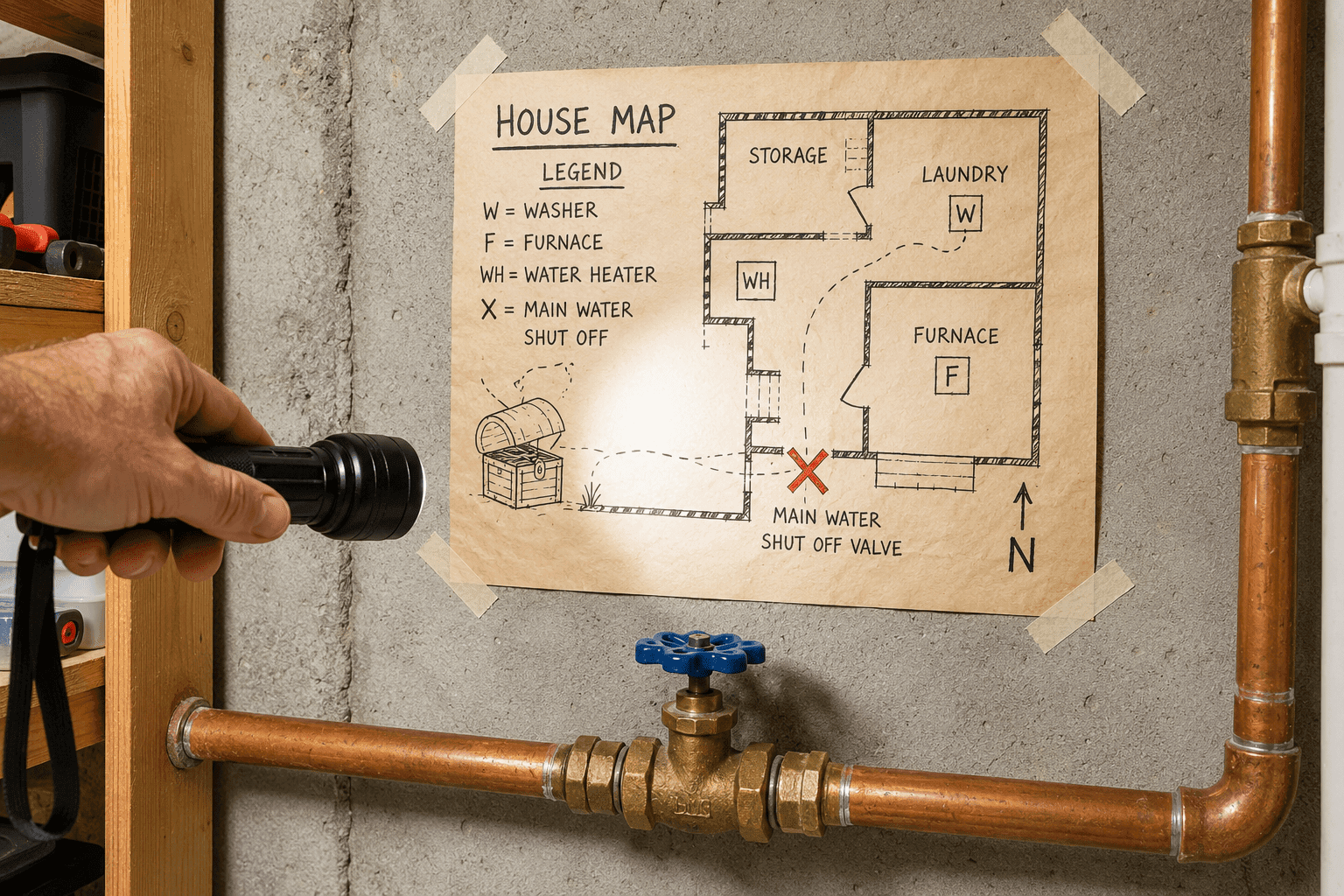
This is the highest-payoff project on the list, and almost nobody does it. Put together a simple house manual that answers the questions your tenant will otherwise call you about. Start with the things that prevent disasters: where the main water shutoff is and how to turn it, where the breaker panel and gas shutoff are, and how to winterize the outdoor spigots before the first freeze. Then cover the everyday items: the HVAC filter size and how often to change it, trash and recycling days, HOA rules, and the quirks every house has, like the disposal reset button or the tricky garage door.
Finish with a clear emergency page: what counts as an emergency, who to call for each type of problem, and what to do first. A tenant who can find the water shutoff at 2 a.m. turns a flooded kitchen into a mop-up job instead of an insurance claim. Leave a printed copy in a kitchen drawer and email a digital copy with the lease.
Recruit Your Contractor Team While You’re Local
The best time to find a good plumber is before anything breaks, while you can still meet them at the door and watch them work. Before you move, line up a plumber, an electrician, an HVAC tech, a handyman, and a pest control company, and aim for two reliable names per trade. Check licenses through the DPOR license lookup, ask for proof of insurance, and test each one on a small job while you can still supervise.
Then write down your emergency plan. Give your tenant a clear procedure for after-hours problems, pre-authorize your most trusted contractor to act up to a set dollar amount without waiting for your callback, and keep a repair fund of about one month’s rent so a failed furnace is an inconvenience instead of a crisis.
Set Up Systems That Run Without You
Free and low-cost landlord platforms like TurboTenant or Avail will collect rent automatically, take maintenance requests in writing, and store your lease, photos, and payment history in one place. Set them up before the tenant moves in and the rental mostly runs itself: rent arrives on schedule, repair requests come in documented instead of as voicemails, and you build a paper trail without trying. If a dispute ever reaches a courtroom, that written record is your best defense.
Learn the Handful of Rules That Matter Most
You don’t need to be a lawyer to self-manage, but Virginia’s landlord-tenant law has a few rules you must know cold. Return the security deposit with an itemized list within 45 days of move-out. Give at least 72 hours’ notice before entering for routine work. Keep the home safe and livable at all times, including heat and hot water. And if rent goes unpaid, Virginia now requires a 14-day notice before you can file for eviction. If you’re moving out of Virginia, one more step: appoint a resident agent, someone in-state designated to receive legal papers on your behalf.
Still weighing whether to self-manage at all? Start with the decision between self-managing and hiring a property manager before you commit either way.
The Bottom Line
Great self-management is front-loaded. Fix the house while you live there, write the manual, recruit the contractors, turn on the systems, and learn the short list of rules. Do those five things before the moving truck arrives and managing your own rental, even from a distance, becomes a calm routine instead of a scramble.
If you’re prepping a home to rent ahead of a move, reach out. Happy to help you build the checklist for your specific property.
This article is provided for educational purposes only and does not constitute legal, tax, financial, or lending advice. Real estate rules, rates, loan requirements, and market conditions vary by situation, location, and loan type. Before making any real estate decision, consult a licensed attorney, CPA, lender, or other qualified professional.