
One of the most common questions buyers ask is, “When should I start shopping for a mortgage?”
Most people assume shopping means calling every bank they can find as early as possible. In reality, that approach usually creates confusion, delays, and involves unnecessary people in the process.
There is a right time to shop for a mortgage and there’s a right way to do it. Understanding both can save you time and unnecessary stress.
Start with Education, Not Rate Shopping
The first time you talk with a lender should be to focus on education and strategy, not price shopping. This is the time to understand loan programs, general rate trends, down payment options, and how different structures work. Once you do this, you can apply for a pre-qualification or pre-approval.
Pre-qualifications and pre-approvals confirm two things:
- Your maximum buying power — what a lender believes you can afford
- Your credibility — proof to the seller that you’re in a good financial position to obtain a loan
If you’re unsure of the difference between a pre-qualification and a pre-approval, I break it down in detail here:
👉 Pre-Qualification vs. Pre-Approval: What’s the Difference?
Why One Pre-Approval Is Often Enough
You technically can get preapproved by multiple lenders, but for most buyers, there’s little benefit in doing so. Multiple pre-approvals often lead to conflicting numbers, extra paperwork, and unnecessary complexity.
However, there are exceptions. If your income, credit, or eligibility is more complex—such as being self-employed, commission-based, or using a VA loan with prior credit issues—getting a second pre-approval can be helpful, as different lenders may interpret guidelines differently and reach different conclusions.
For the majority of buyers, however, a single pre-approval from a reputable lender is all that’s needed to confidently begin house hunting.
What It Really Means to “Shop the Loan”
“Shopping the loan” is often misunderstood. It is not the same as getting preapproved, and it should not happen at the beginning of the home-buying process.
Shopping the loan means comparing actual mortgage pricing—rates, points, and lender fees—based on a specific property, purchase price, loan type, and contract terms. That level of accuracy is only possible after you are under contract on a home.
Once your offer is accepted, the transaction becomes real. The key details are locked in, allowing lenders to provide true, apples-to-apples quotes instead of general estimates. Before this point, any pricing you receive is incomplete and often misleading because mortgage terms are specific to both the borrower and the property.
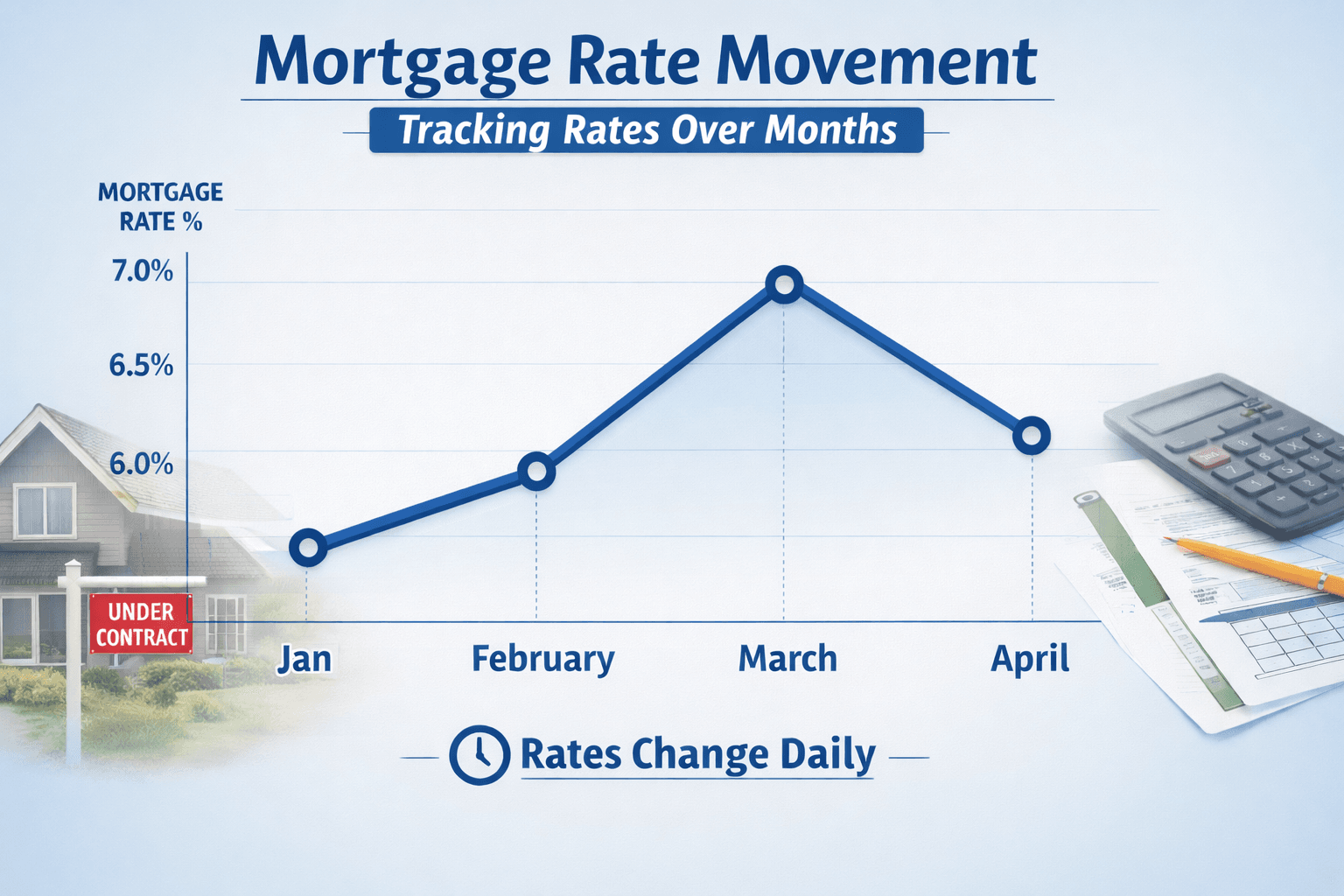
Mortgage rates change constantly, sometimes multiple times a day. For that reason, buyers should plan to shop their loan within the first three business days after going under contract. While mortgage rates can move in either direction, waiting longer increases uncertainty and deadline pressure. Delaying loan shopping reduces flexibility if rates rise and can create unnecessary stress as appraisal, underwriting, and closing deadlines approach.
Shopping the loan at the right time allows you to compare what lenders actually control—without slowing down the rest of the transaction—so you can confidently select a lender and move forward toward closing.
What to Focus On (And What to Ignore)
When you shop a mortgage, not all numbers should be evaluated equally. Some costs are controlled by the lender, while others are third-party or fixed fees that lenders estimate but do not control. In some cases, those estimates are intentionally kept low to make an offer appear more competitive, even though the final costs are outside the lender’s control. Knowing the difference helps you make a smart comparison instead of getting distracted by the wrong details.
What to Compare: Rate, Fees, Points, Structure
These are the items lenders actually control and where meaningful differences exist:
- Interest rate: The rate directly affects your monthly payment and long-term cost. Make sure you are comparing rates quoted on the same day and for the same lock period.
- Lender fees: This includes origination, underwriting, processing, and administrative fees. These can vary significantly and are one of the easiest ways to compare lenders fairly.
- Lender credits or discount points: Some lenders offset costs with credits, while others charge points to lower the rate. Compare the net cost—not just whether points are listed.
- Loan structure and strategy: Adjustable vs. fixed rates, temporary buydowns, or different down payment structures can change both short- and long-term outcomes. The best loan isn’t always the lowest rate—it’s the one that fits your timeline and goals.
What to Ignore: Third-Party Fees, Estimates, Teasers
These items often cause confusion but rarely reflect meaningful differences between lenders:
- Third-party fees: Appraisal, credit report, title, escrow, and recording fees are largely the same regardless of lender. Minor variations shouldn’t drive your decision because they are estimates.
- Estimated taxes and insurance: These are placeholders, not lender-controlled costs, and often change before closing.
- Early or “teaser” rate quotes: Rates quoted before you are under contract—or without full details—are estimates at best and marketing at worst.
- Monthly payment alone: A lower payment can come from higher fees, longer terms, or temporary incentives. Always look at total cost, not just the payment.
Communication Can Make or Break Your Deal
The goal of loan shopping is to identify the best overall terms—not just the lowest rate. That means evaluating the interest rate, lender fees, points, and loan structure, but it also means paying close attention to something buyers often underestimate: communication.
A mortgage is not just a financial product; it’s a process with deadlines, moving parts, and time-sensitive decisions. The lender you choose plays a critical role in whether that process runs smoothly.
Why Your Lender’s Communication Matters
Mortgage transactions rarely happen neatly between 9 a.m. and 5 p.m.
Accessibility matters because:
- Offers are often negotiated on evenings and weekends
- Contract questions happen late at night
- Appraisal or underwriting issues come up with tight turnaround times
If you can’t reach your lender when something urgent arises, the entire transaction can stall—or, in some cases, fall apart. Competitive pricing means little if missed deadlines cost you the home.
How to Leverage Local Lenders and Big Banks
Local mortgage companies and big banks each have strengths, and the smartest approach is often using both at different points in the process.
Local lenders tend to excel at communication, flexibility, and navigating contract timelines. Big banks, on the other hand, often—depending on market conditions, loan type, and borrower profile—offer slightly lower rates or more aggressive pricing because of their size, capital reserves, and ability to hold loans in-house rather than selling them immediately.
Strategic Mortgage Shopping in 3 Steps
- Start with a local lender for pre-approval: When a local lender does the upfront work, they’re more invested in the transaction and more motivated to compete later.
- Once under contract, shop strategically: Take a short window—usually two to three business days—to compare pricing with two or three lenders.
- Bring strong offers back to your local lender: In many cases, they can match or beat big-bank pricing while still providing superior communication and flexibility.
The result is often big-bank pricing paired with local-lender service—a combination that benefits both your wallet and your closing timeline.
Final Mortgage Shopping Strategy for Buyers
The right time to shop for a mortgage is after you have a home under contract.
Before that point, your goal is not to chase rates or collect quotes. It is to get properly preapproved with a solid lender who understands your finances, communicates clearly, and can support you through the offer and negotiation phase.
Once you are under contract, then it is time to strategically shop for a mortgage. With a real purchase price, property, and timeline in place, lenders can provide accurate pricing that allows for true comparisons. By focusing on the right factors such as interest rate, lender fees, points, and loan structure, and by ignoring the noise such as estimated taxes, third-party fees, and early rate quotes, you put yourself in the strongest position to choose the best overall loan.
The smartest buyers do not shop early or endlessly. They shop once at the right time and with intention.
That approach saves money, reduces stress, and, most importantly, helps ensure you actually make it to the closing table.